



From the Hunter Choir Room to Granada: Following Lorca to Spain
by Prof. Lana Norris
Most people think choir is singing with friends. Not wrong! But as a class in the Music Department, choir is more. It applies skills developed in other classes — sightreading, diction, breath technique — and integrates music history and theory knowledge.
Last fall, the Hunter College Chamber Singers performed Romancero Gitano, a striking choral work setting poetry by Federico García Lorca, conducted by Michael Sheetz and accompanied by João Luiz, Hunter’s Director of Chamber Music, on classical guitar. As assistant conductor leading sectionals, accompanying rehearsals, and coaching the singers, I spent a semester seeing the piece develop everyone’s technique and artistry.
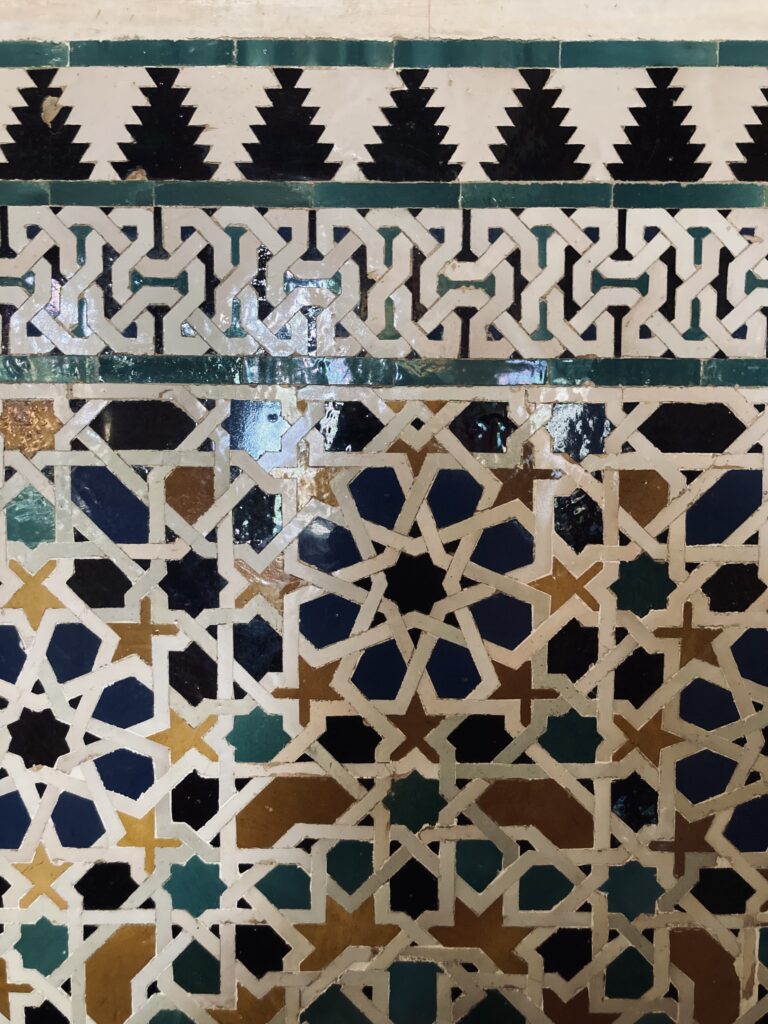
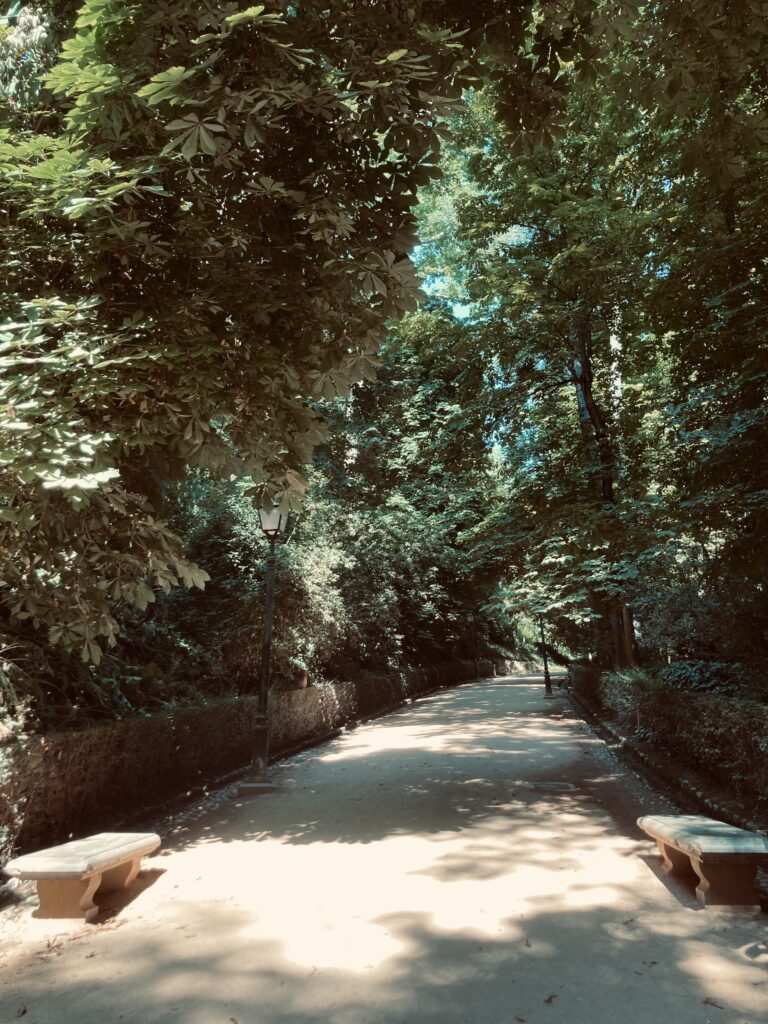
Mosaic design and natural beauty in Lorca’s hometown of Granada, Spain.
Choir is also a place where multiple disciplines intersect. Music, media arts, and literature majors all bring their own perspective to the composers and poets we perform. One student, a native Spanish speaker, shared that her grandparents used to quote one of these very Lorca poems at home, a story that changed how the rest of the choir heard the piece!
Lorca’s collection Romancero Gitano draws deeply on the folk traditions of his native Andalusia. Spanish shares sounds with Latin and Italian, languages choirs often sing, but singing Spanish well means navigating a language with enormous regional range.
That semester of watching a composition expand common categories is what sent me to Spain with support from a Hunter College Faculty Research Grant. Lorca is known as a poet, but he trained classically as a pianist and was close friends with the composer Manuel de Falla.
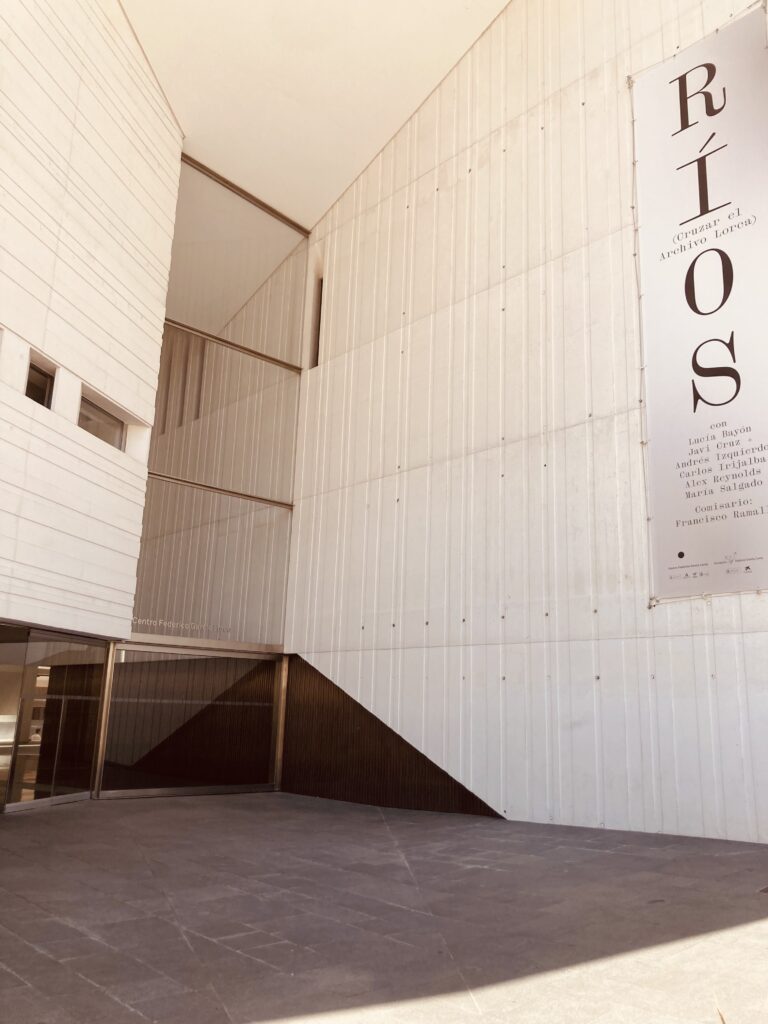
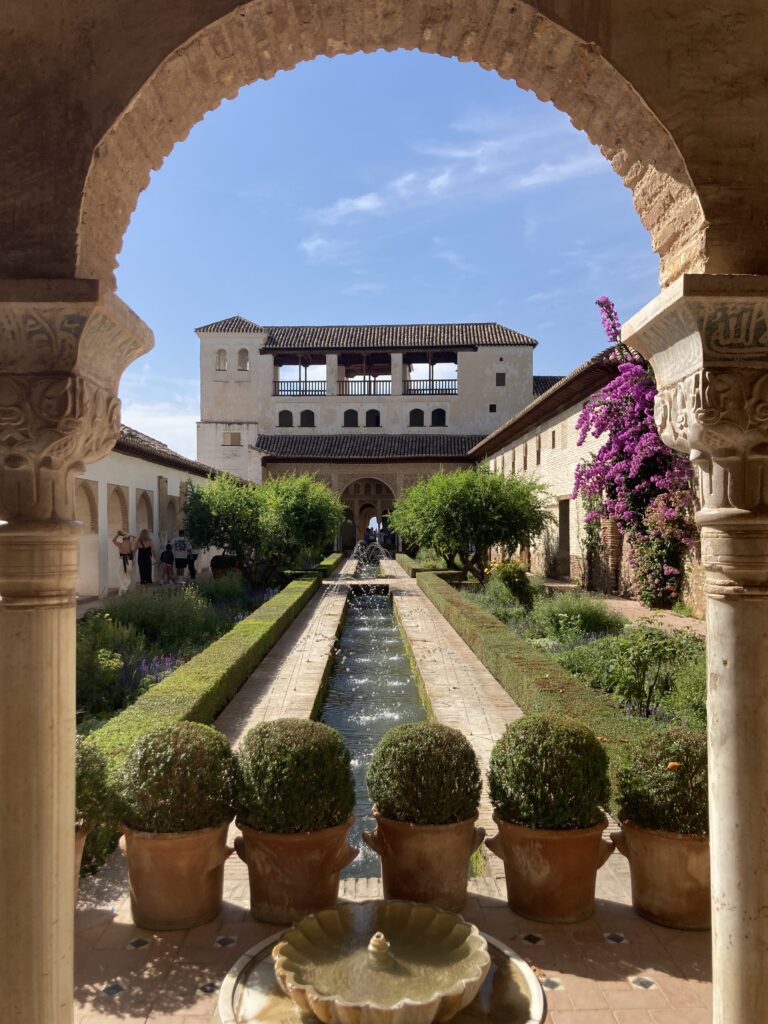
L: Fundación Federico García Lorca archives. R: The Alhambra UNESCO palace complex in Lorca’s home region.
In Granada, I spent time at the Fundación Federico García Lorca, studying Lorca’s personal score library and archival compositions, and tracing how Andalusian folk music and his classical training shaped each other. (Many thanks to the Spanish librarians who made time for me during their own summer vacation.)
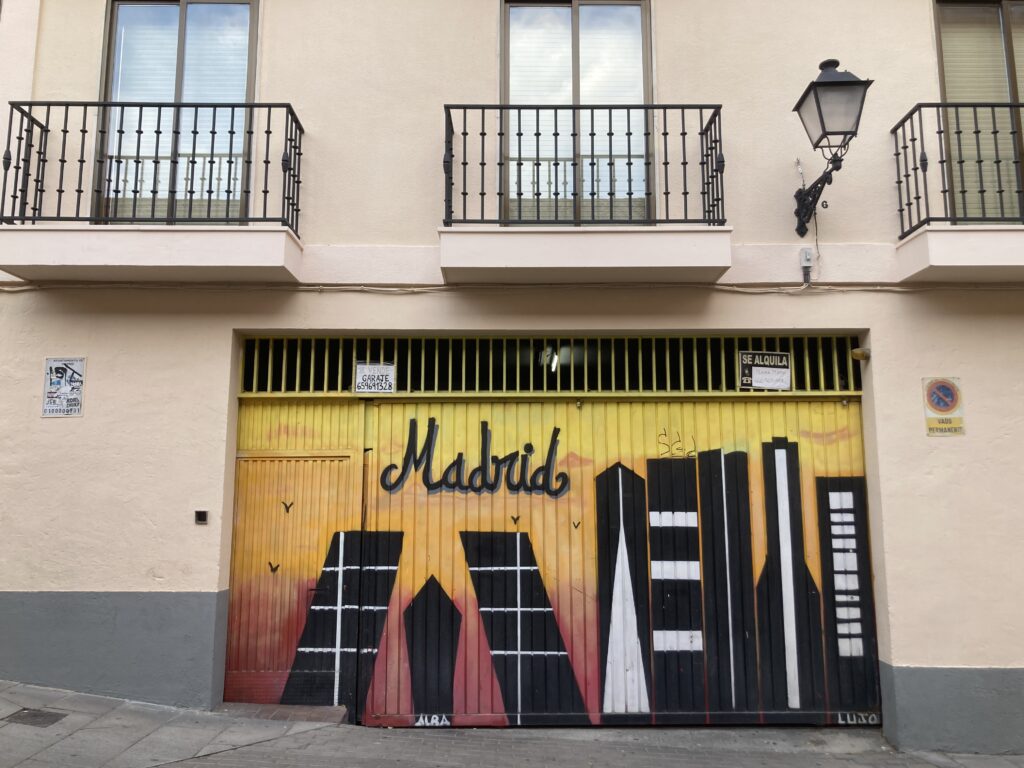
From there, I went to Madrid to meet Dr. Junwei Zhou at the Complutense University, whose research explores how music and poetry intertwine in Lorca’s work. Dr. Zhou’s involvement with the +PoeMAS project, a database cataloguing musical settings of Lorca’s poetry, opened up new repertoire and resources I’m excited to bring back to Hunter.
Lorca himself was endlessly curious about where music and language meet. He used real music theory in his poems and even modeled a dialogue in his play Bodas de sangre on a Bach fugue. That same curiosity is exactly what Hunter’s vocal programs offer our students: a place for singers, composers, and performers from every tradition to ask how their own experience translates across language and genre.
I’m returning to this academic year with a deeper sense of how choral preparation and scholarly research feed each other — and with new material I’m looking forward to developing further, in the classroom and beyond.